
Inside the Rise of Youth-Led Anti-Corruption Activism in The Gambia
In the past week, youth-led civic activism has intensified across The Gambia, with Gambians Against Looted Assets(GALA) emerging as one of the most vocal movements demanding accountability in public office. Protesters have organized demonstrations in Banjul, launched coordinated social media campaigns, and submitted public petitions centered on financial transparency, asset recovery, and institutional independence.
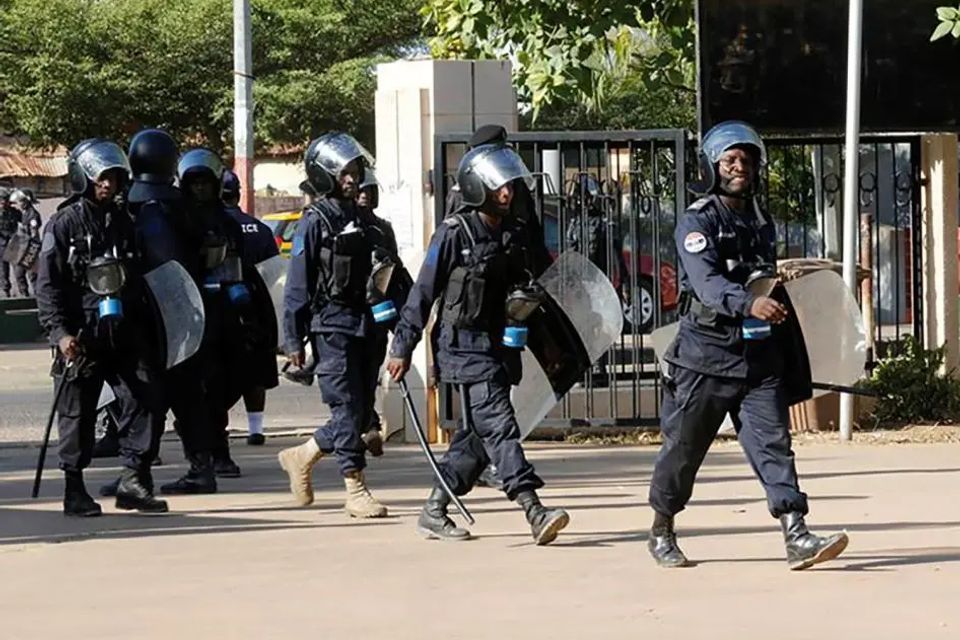
Much of the recent tension has focused on concerns surrounding the Auditor General’s office and broader public finance oversight. Demonstrations near the National Audit Office drew national attention, especially after security forces, including the Police Intervention Unit (PIU), intervened to disperse crowds. Images and videos circulating online show young protesters holding placards demanding “Accountability Now” and “Protect Public Funds.”
Activists argue that despite nearly a decade since the end of authoritarian rule, major corruption cases have moved slowly or lacked visible prosecution outcomes. For many young Gambians, anti-corruption is no longer just a campaign slogan — it is a generational demand tied to employment opportunities, public services, and national trust.
Some civic leaders insist the movement is grassroots and volunteer-driven, funded largely through small contributions and diaspora support. However, critics question whether political actors may be influencing certain mobilizations as the country moves closer to the 2026 presidential election.
If sustained, this movement could reshape how accountability is demanded and delivered in The Gambia.
Sources:
The Point (Youth Anti-Corruption Coverage), Kerr Fatou reporting, statements from civic organizations and protest organizers.
Much of the recent tension has focused on concerns surrounding the Auditor General’s office and broader public finance oversight. Demonstrations near the National Audit Office drew national attention, especially after security forces, including the Police Intervention Unit (PIU), intervened to disperse crowds. Images and videos circulating online show young protesters holding placards demanding “Accountability Now” and “Protect Public Funds.”
Activists argue that despite nearly a decade since the end of authoritarian rule, major corruption cases have moved slowly or lacked visible prosecution outcomes. For many young Gambians, anti-corruption is no longer just a campaign slogan — it is a generational demand tied to employment opportunities, public services, and national trust.
Some civic leaders insist the movement is grassroots and volunteer-driven, funded largely through small contributions and diaspora support. However, critics question whether political actors may be influencing certain mobilizations as the country moves closer to the 2026 presidential election.
Investigative Questions Moving Forward
- Who funds and organizes GALA’s operations and protest logistics?
- What specific financial audits or corruption cases are activists demanding be reopened or prosecuted?
- Are protest permits being fairly processed by authorities?
- How are youth-led movements influencing political narratives ahead of December 2026?
Why This Story Matters
The rise of youth-led activism reflects a deeper shift in Gambian civic culture. Young citizens — many of whom were children during the previous regime — are asserting themselves as watchdogs of democracy. Their mobilization suggests that governance transparency may become one of the defining issues of the next election cycle.If sustained, this movement could reshape how accountability is demanded and delivered in The Gambia.
Sources:
The Point (Youth Anti-Corruption Coverage), Kerr Fatou reporting, statements from civic organizations and protest organizers.